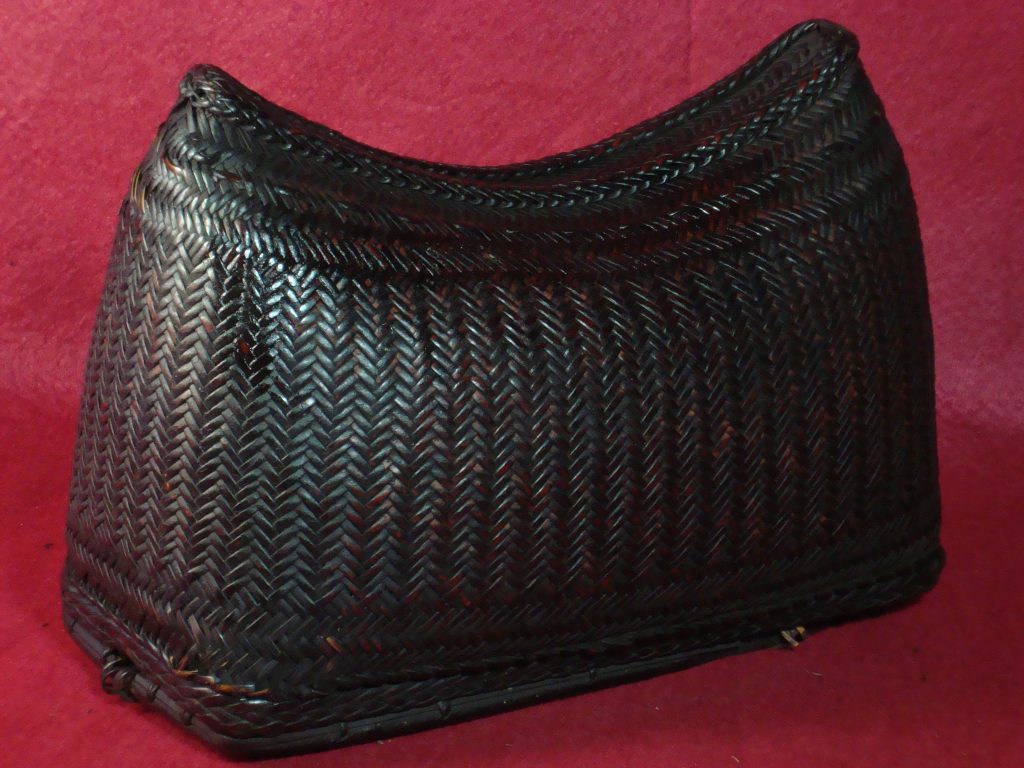
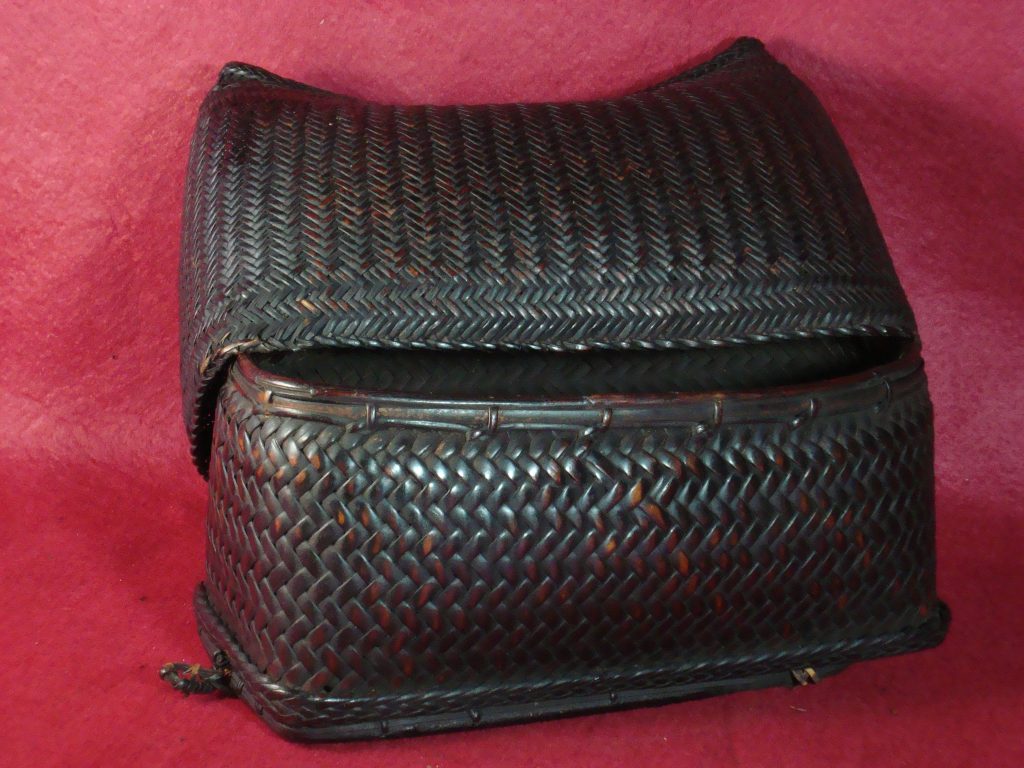
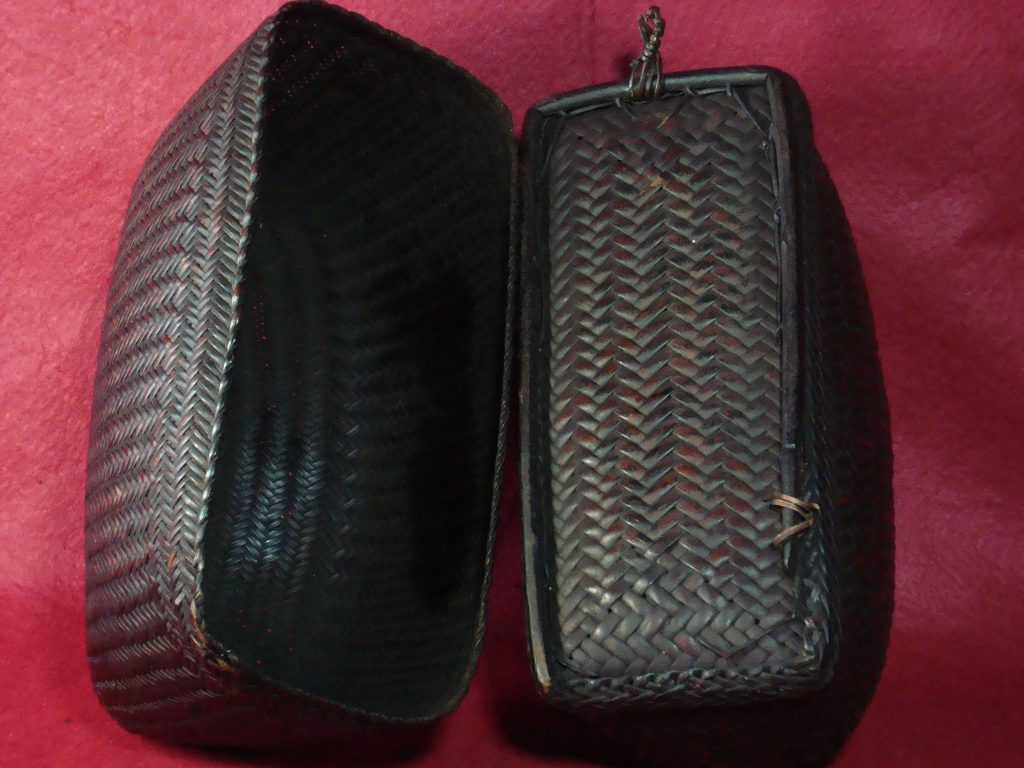
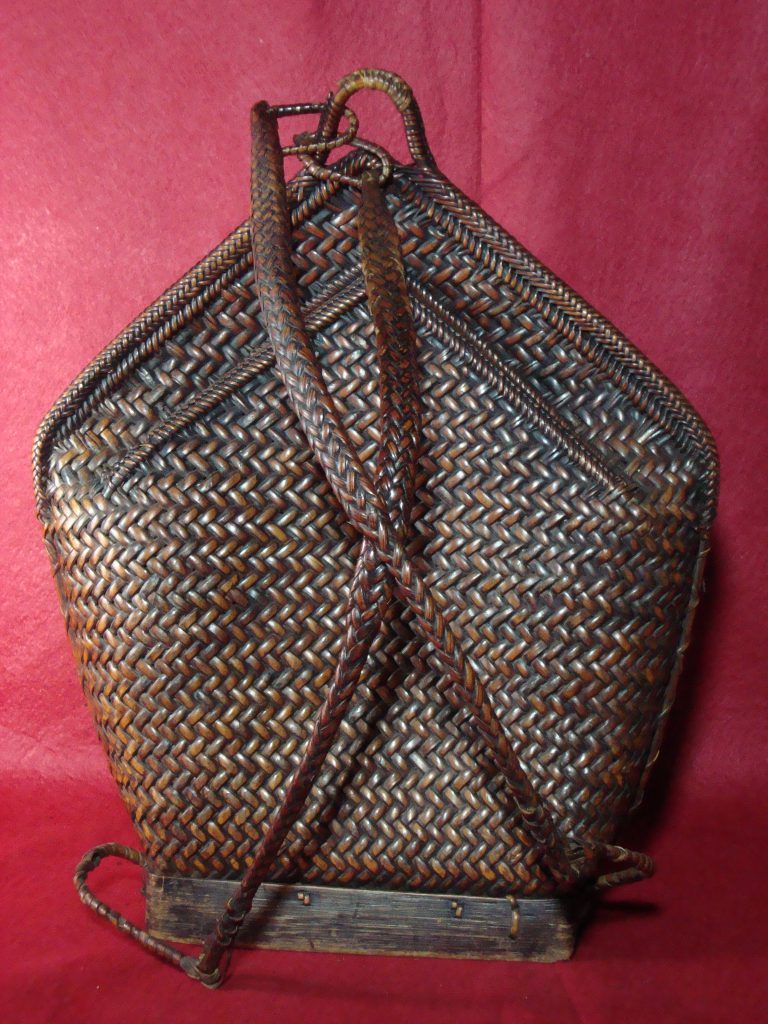
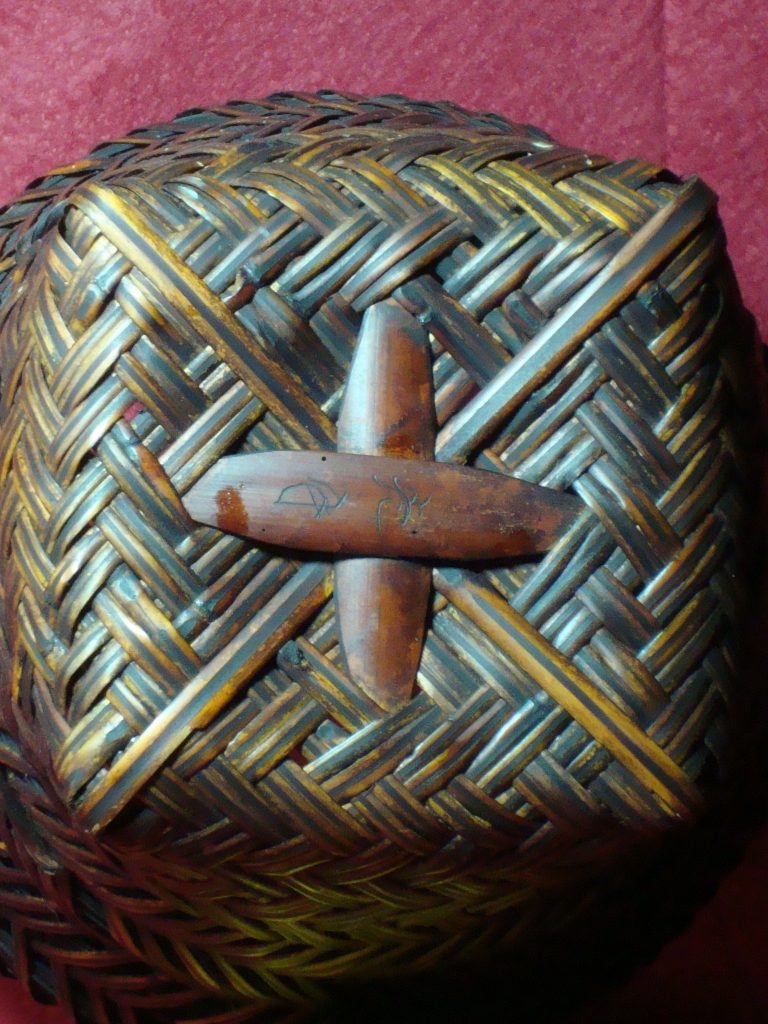
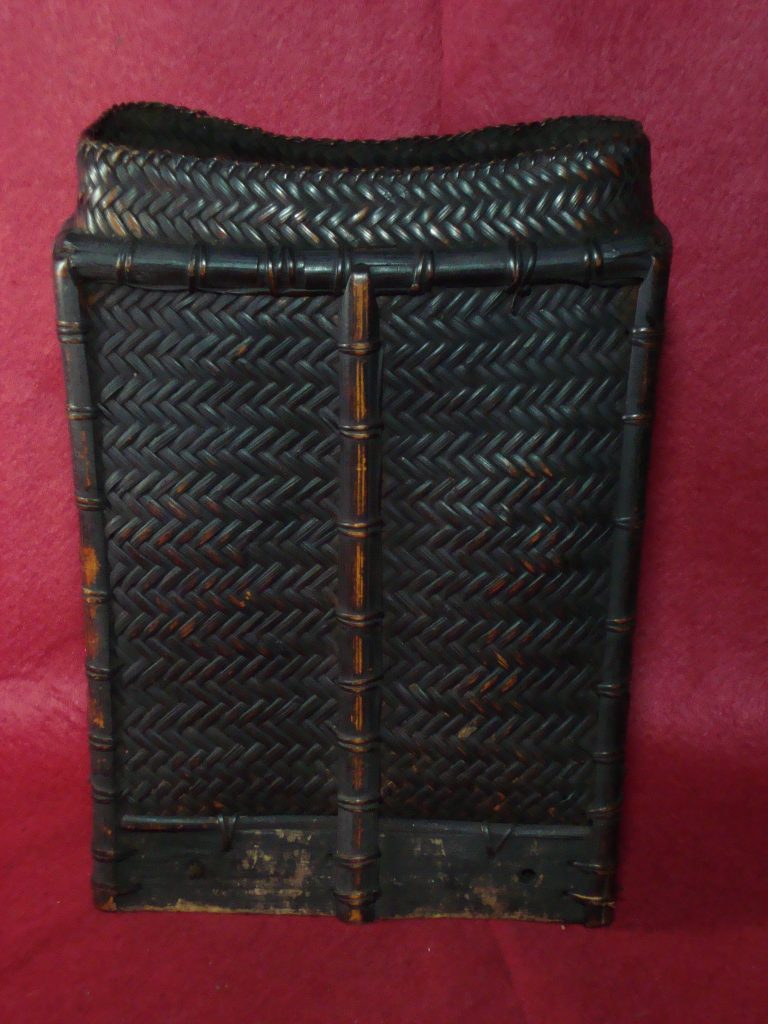
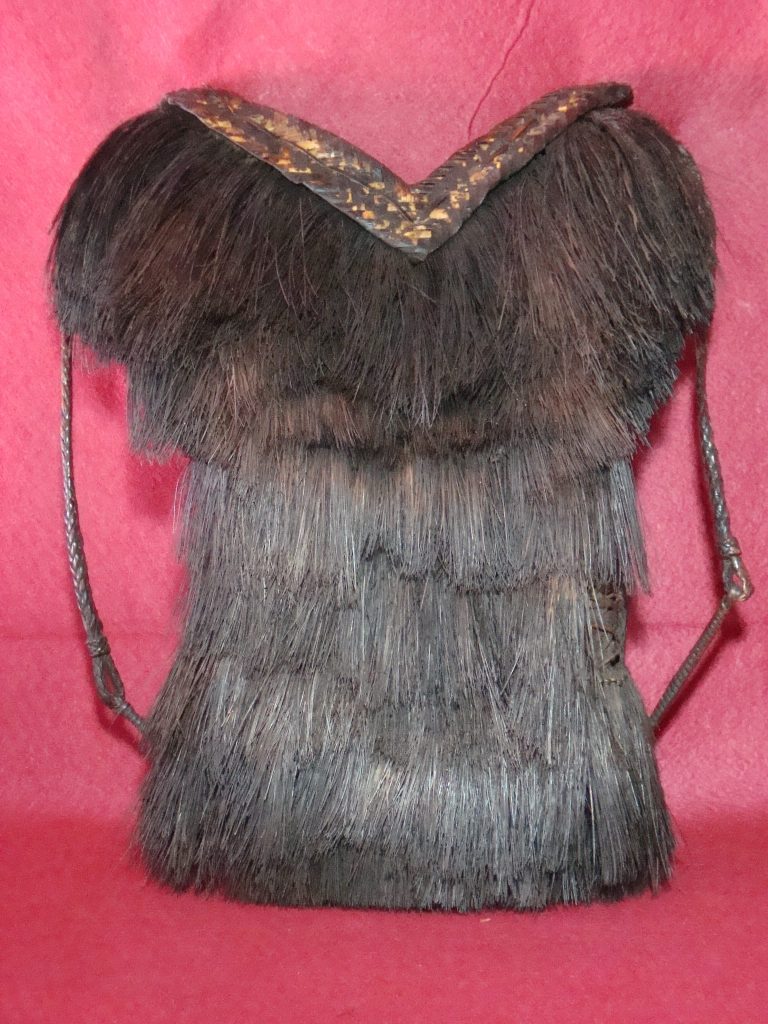
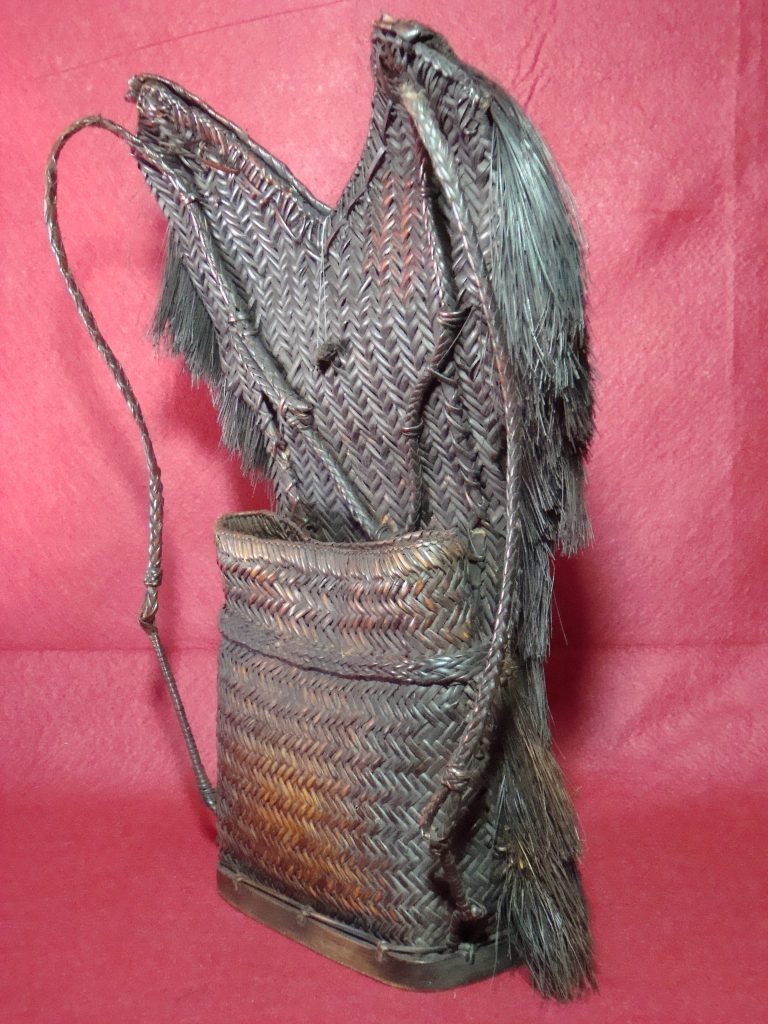
The IGOROTS
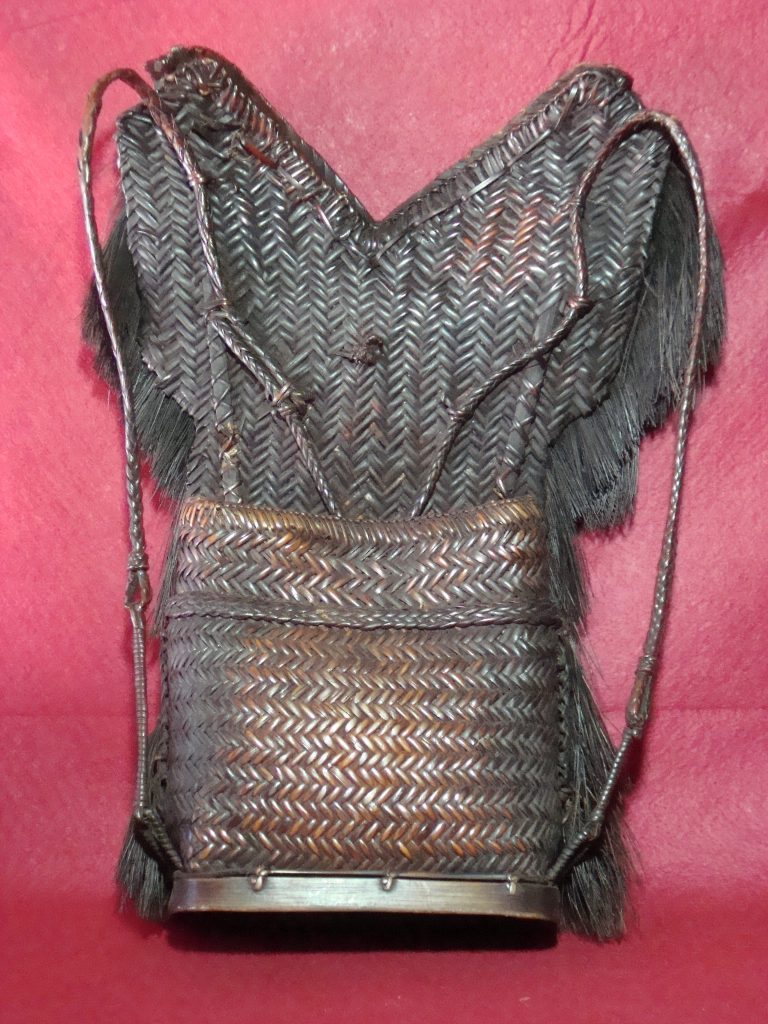
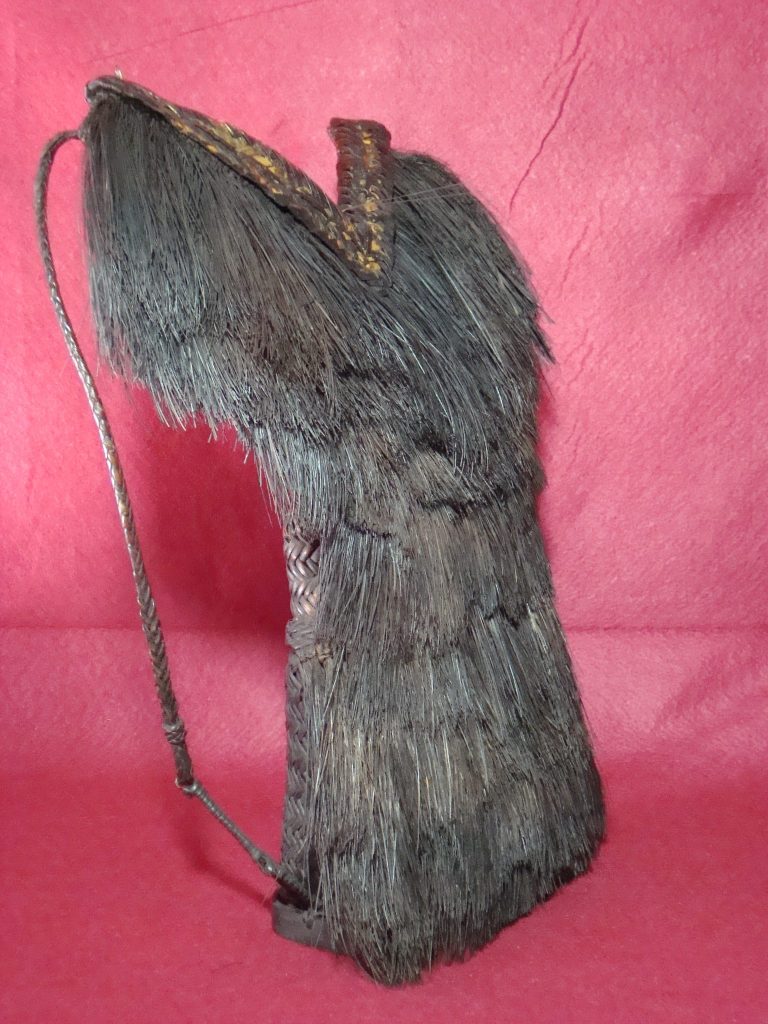
Inhabiting the rugged terrain of the Cordillera Region of Northern Philippines are six ethno-linguistic tribes known as the Ibaloy, Kankana-ey, Ifugao, Kalinga, Apayao/Isneg, and the Bontoc. They are referred to by a generic term, Igorot, a word coined from the root word, “golot” meaning mountain. Unlike most of the Philippines, which were ruled by Spaniards for about four hundred years, the Cordillera region was generally unfazed by Spanish colonization. The Igorot tribes are held together by their common socio-cultural traits as well as their geographic proximity to each other. During pre-Christian Cordillera (and to some extent, the present), the six different tribes shared similar religious beliefs, generally nature-related, and they make proprietary offerings to “anitos” (spirits) as well as to household gods.
The Ifugao is a group that lives in a mountainous region of north-central Luzon around the of town Banaue. Also known as the Ifugaw, Ipugao, Yfugao, they are former headhunters who are famous for their spectacular mountain-hugging rice terraces. The Ifugao are believed to have arrived from China around 2000 years ago. Their first contact with the outside world was through American military officers and schoolteachers early in the 20th century. Communication with them was made easier when better roads were built to the areas where they live.